How to Prepare for B2B Matchmaking Events: A Comprehensive Guide
Walking into a B2B matchmaking event without preparation is like showing up to a job interview without knowing anything about the company. The format is highly structured, time slots are tight, and the participants who get the most out of it are almost always the ones who did the work beforehand. This guide covers everything you need to do before, during, and after the event to make your participation count.
What Is a B2B Matchmaking Event and How Does It Work
A B2B matchmaking event is a structured, appointment-based networking format where companies are paired for pre-scheduled one-on-one meetings based on mutual business interests. Unlike open networking at conferences, every meeting slot is confirmed in advance through a dedicated matchmaking platform or brokerage event system.
Participants register, create a company profile, and browse other attendees. They then send or accept meeting requests. The event organizer — often using matchmaking software — arranges the final schedule, assigning tables, time slots, and meeting sequences. Each meeting typically runs 20 to 30 minutes.
The appeal is efficiency. Instead of spending a full day hoping to bump into the right person, you arrive with a confirmed agenda of targeted conversations. But that efficiency only works if you've prepared properly. The matchmaking system does the logistics; the quality of the meetings depends entirely on you.
Define Your Goals Before the Event
Clear business objectives are the single most important thing you can define before registering, let alone attending. Without them, you'll accept poor-fit meetings, waste time, and leave with a pile of business cards and no clear next step.
Start with these questions:
- What type of partner are you looking for — distributor, technology provider, investor, client, co-developer?
- Which geographic markets or industries are in scope?
- What specific outcomes would make this event a success — a signed NDA, a pilot agreement, a follow-up call with a qualified lead?
- What's your timeline? Are you looking to close something in 90 days or build a pipeline for the next year?
Write these down. They become the filter you apply when reviewing meeting requests and evaluating potential matches. Vague goals produce vague results. If your objective is "find new clients," narrow it: what size, what sector, what geography, what buying stage.
Partnership goals also shape your pitch. Knowing exactly what you need lets you tailor your value proposition for each conversation rather than delivering the same generic company overview to everyone at the table.
Build a Strong Company Profile
Your company profile on the matchmaking platform is your first impression — and in many cases, it determines whether another participant sends you a meeting request at all. A weak profile means missed opportunities before the event even starts.
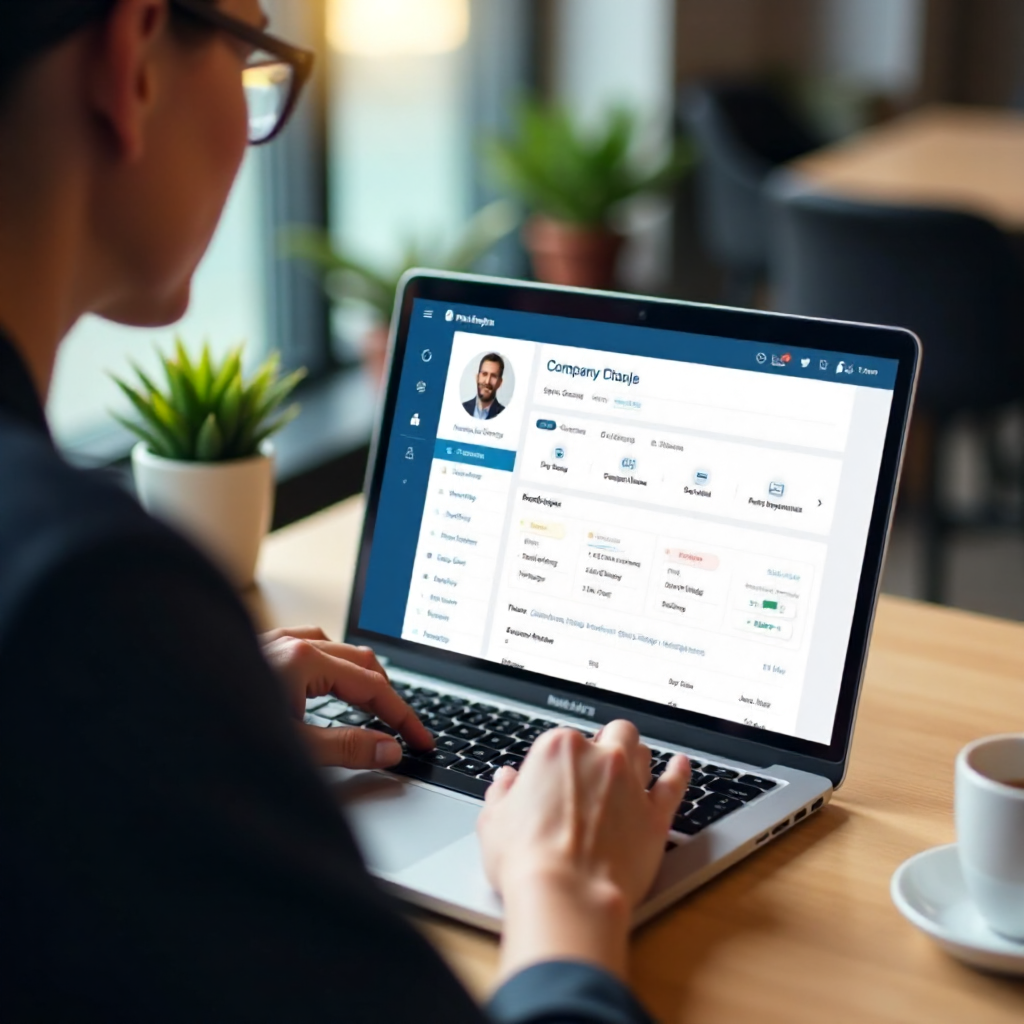
A strong business profile covers four things clearly:
- What you do — a concise description of your product or service, written for someone who has never heard of your company
- What you're looking for — your ideal partner profile, including industry, company size, geography, and the type of collaboration you're proposing
- Your value proposition — the specific benefit a partner gains by working with you, not a list of features
- Keywords and categories — the tags or sectors the platform uses to match participants; choose them carefully based on how your target partners would describe themselves
Avoid corporate filler. Phrases like "innovative solutions" or "customer-centric approach" communicate nothing and reduce your profile's relevance. Be specific. "We manufacture recyclable packaging for food and beverage companies with EU export operations" is far more useful than "we provide sustainable packaging solutions."
Complete every field the platform offers. Profiles with missing sections rank lower in most matchmaking software algorithms and signal low engagement to potential partners reviewing your listing.
Research and Select the Right Meeting Requests
Reviewing meeting requests carefully is how you protect your schedule from low-value conversations. Every slot you accept is a slot you can't give to a better match, so treat your meeting agenda like a limited resource.
When evaluating an incoming or outgoing request, check three things: whether the company fits your ideal partner profile, whether their stated objectives overlap with yours, and whether their profile suggests they can actually act on a partnership (decision-maker vs. junior researcher).
Red flags worth skipping:
- Profiles with no clear description of what they're looking for
- Companies operating in markets you've explicitly excluded from your goals
- Meeting requests with generic messages that show no familiarity with your offering
For meetings you do accept, send a brief, personalized confirmation message through the platform. Mention one specific point from their profile that makes the meeting relevant. It signals professionalism and sets a collaborative tone before you sit down together.
Most events allow 6 to 12 meetings per day depending on the schedule. Aim for quality over quantity — eight well-prepared conversations will outperform twelve rushed ones every time.
Prepare Your Materials and Talking Points
The materials you bring to a matchmaking event should be lean and meeting-specific. Over-preparing with a 40-slide deck wastes the 25 minutes you have; under-preparing means you'll struggle to communicate your value clearly under time pressure.
The core toolkit:
- One-pager — a single-page company overview with your value proposition, key products or services, and contact information. Print and digital versions.
- Pitch deck — 5 to 8 slides maximum, used selectively when a longer conversation opens up or for follow-up. Not for every meeting.
- Business cards — still expected at many brokerage events, especially in European and Asian markets
- Meeting notes template — a simple sheet or app setup where you can log key points, agreed next steps, and follow-up actions during or immediately after each conversation
For talking points, prepare a 60-second elevator pitch and then adapt it. The version you deliver to a potential distributor should emphasize margin and logistics; the version for a technology partner should emphasize integration and co-development potential. Same company, different angle.
Prepare two or three qualifying questions for each meeting based on the partner's profile. These aren't interrogations — they're conversation starters that help you quickly assess fit and move the discussion toward concrete next steps.
What to Do During the Event
On the day, the structure works for you — but only if you stick to it. Arrive early, find your assigned area, and review your meeting agenda one more time before the first slot.
Keep each meeting on track. You have 20 to 30 minutes, which sounds short until you realize that a focused, well-prepared conversation can accomplish more in that time than a two-hour coffee meeting with no agenda. Open with your elevator pitch, pivot quickly to questions about their needs, and spend the last five minutes on potential next steps.
Take notes during the meeting, not after. Memory degrades fast across back-to-back conversations. A few keywords about the partner's key need, their decision-making timeline, and what they asked you is enough. You'll expand on it later.
If a scheduled partner cancels on the day, use the slot to review notes from previous meetings, approach the organizer about last-minute swaps, or connect informally with other attendees during breaks. Don't treat it as dead time.
How to Follow Up After the Event
The follow-up phase is where most B2B matchmaking ROI is either captured or lost. The meeting itself is an introduction; the follow-up strategy is where the relationship actually begins.
Send personalized follow-up emails within 24 to 48 hours while the conversation is still fresh for both sides. Reference something specific from the meeting — a challenge they mentioned, a product use case you discussed, or a next step you both agreed on. Generic "great to meet you" emails rarely lead anywhere.
Structure each follow-up with:
- A brief recap of what you discussed and why it was relevant
- The specific next step you agreed on, or a clear proposal if none was defined
- Any materials you promised to send (one-pager, product spec, case study)
- A suggested date or window for the next call or meeting
Segment your follow-ups by priority. High-potential contacts get a call or video meeting request; mid-tier contacts get a detailed email with next steps; lower-priority ones get a lighter touch to stay on the radar. Don't treat every meeting as equally urgent — focus your energy where the partnership potential is highest.
Track your outreach in a CRM or simple spreadsheet. The goal is to move each promising contact through a defined pipeline, not to let them stall in your inbox.
Frequently Asked Questions
How far in advance should I register for a B2B matchmaking event?
Register as early as possible — ideally 4 to 8 weeks before the event. Early registration gives you access to a larger pool of participants when sending meeting requests and increases your visibility to others browsing profiles. Late registrants often find the best meeting slots already taken.
How many meetings should I schedule at a matchmaking event?
Between 6 and 10 meetings per day is the practical range for most participants. Below that, you're not using the format efficiently. Above that, quality starts to suffer — conversations become rushed and note-taking breaks down. Prioritize a manageable schedule over a packed one.
What should my company profile include to attract the right partners?
Your profile needs a specific description of what you offer, a clear statement of what kind of partner you're looking for, your geographic scope, and accurate category tags. Avoid vague language. The more precisely you describe your ideal partner criteria, the better the matchmaking algorithm — and human reviewers — can identify relevant connections.
What happens if a scheduled meeting partner cancels on the day?
Cancellations happen. Use the freed slot to consolidate notes, approach the event organizer about filling the gap, or connect informally with attendees you didn't have time to meet formally. Some events have a waitlist system for last-minute meetings — check with organizers before the event so you know the process.
How do I measure the success of my participation in a matchmaking event?
Define success metrics before the event, not after. Useful indicators include the number of qualified follow-up conversations initiated, meetings that progressed to a second call or proposal, and partnerships or agreements initiated within 90 days. One signed partnership often justifies the cost of attending; tracking your pipeline lets you make that case with data.