The Role of Technology in Modern Business Matchmaking
Introduction to Business Matchmaking and Its Evolution
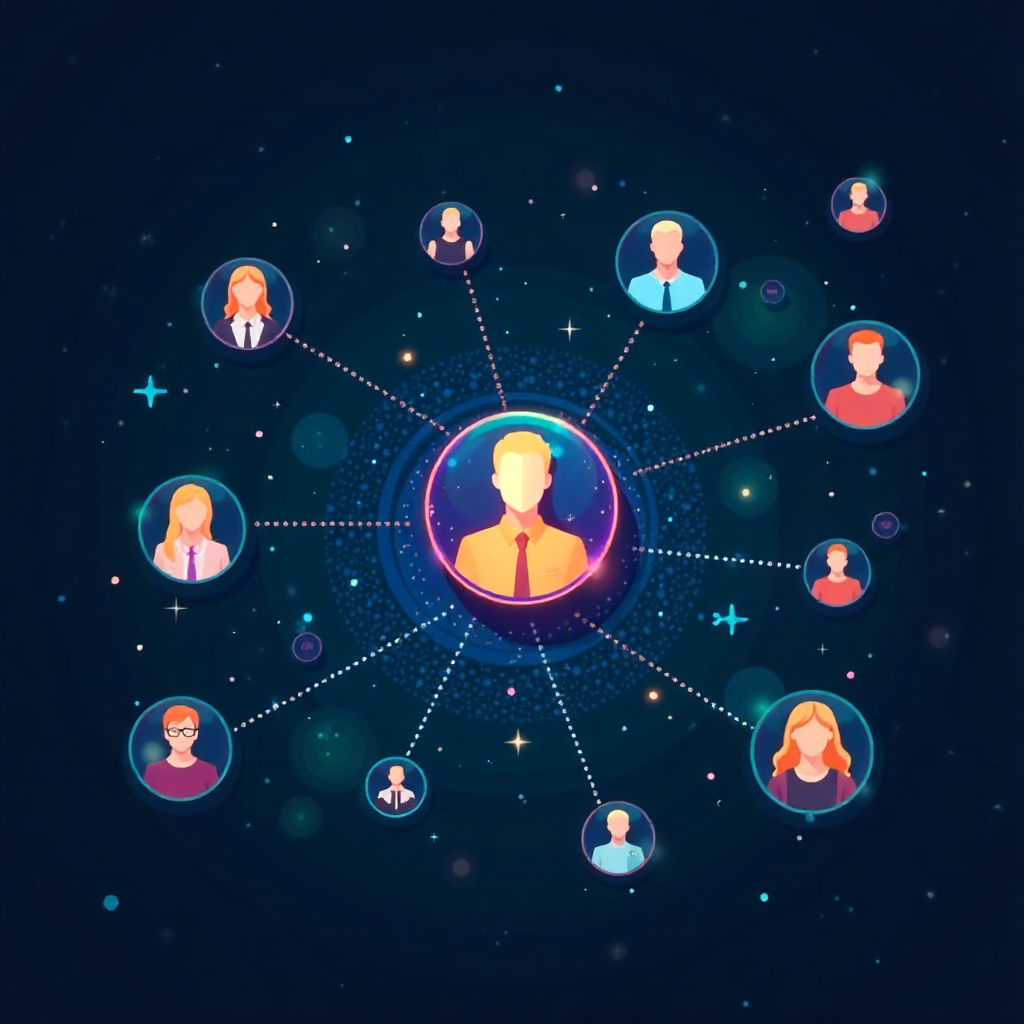
Business matchmaking is the process of connecting companies to establish fruitful partnerships or collaborations. Traditionally, matchmaking relied on face-to-face networking, manual scheduling, and offline brokerage events. Today, technology-driven business matchmaking platforms have redefined this landscape by enabling faster, scalable, and more precise B2B connections across geographies.
In the past, companies depended heavily on industry conferences, trade shows, or personal referrals to find potential partners. This manual approach often entailed time-consuming scheduling and limited outreach. The evolution towards digital event management, powered by sophisticated networking algorithms and automated meeting scheduling, has revolutionized how brokerage events and company meetings operate.
Understanding this shift is essential to appreciate technology’s central role in modern business matchmaking, where efficiency and data-driven insights drive better outcomes.
Key Technologies Revolutionizing B2B Matchmaking
Artificial intelligence (AI), networking algorithms, and advanced matchmaking platforms are at the heart of the technological revolution in B2B matchmaking. These technologies analyze vast amounts of company profiling data to identify high-potential matches, enabling personalized and relevant introductions.
AI in matchmaking leverages machine learning to understand company preferences, past connections, and industry trends. Networking algorithms then use this data to predict the most valuable connections, optimizing the quality and relevance of matches. Digital platforms integrate these capabilities into user-friendly interfaces, streamlining company registrations, profile updates, and interaction tracking.
Virtual brokerage events commonly rely on these tools to facilitate seamless, efficient connections at scale. Automated meeting scheduling software further enhances this by matching calendars instantly, reducing delays and manual effort in setting up meetings.
These technologies collectively allow businesses to focus on meaningful engagements rather than logistical hurdles.
Benefits of Technology-Enabled Business Matchmaking
Technology-enabled business matchmaking offers several distinct advantages, including increased efficiency, broader reach, and improved precision in establishing relevant connections.
- Efficiency: Automated meeting scheduling and AI-driven matchmaking drastically reduce the time required to find suitable partners compared to manual methods.
- Precision: Data analytics and intelligent algorithms tailor matchmaking recommendations based on company goals, industry sector, and historical success patterns.
- Broader Reach: Virtual platforms break geographical barriers, allowing companies to connect globally without the need for costly travel.
- Quality of Connections: By filtering matches intelligently, businesses avoid unproductive meetings, increasing the likelihood of successful deals and partnerships.
Moreover, digital event management tools provide metrics and feedback that help organizers refine matchmaking strategies continuously. This transparency reassures companies about the value they derive from networking efforts.
Technology’s Impact on Brokerage Events and Company Meetings
Technology has reshaped brokerage events and company meetings by enabling hybrid and fully virtual formats supported by sophisticated tools that enhance attendee engagement.
Virtual brokerage events utilize business matchmaking platforms integrated with CRM systems, enabling seamless lead generation and follow-up tracking. Attendees access personalized meeting recommendations based on rich company profiling data, making their interactions more targeted and effective.
Hybrid events combine physical presence with digital tools to amplify reach and inclusivity. Companies unable to attend in person benefit from virtual meetings and automated scheduling, ensuring no opportunity is missed. Data analytics monitor engagement during events, providing real-time insights to organizers and participants on connection quality and event success.
This integration of technology reduces common pain points like scheduling conflicts, missed opportunities, and inefficient networking, promoting higher ROI from brokerage events.
Integrating CRMs and Data Analytics to Enhance Matchmaking
CRM integration and data analytics play a crucial role in elevating business matchmaking by enabling data-driven decision-making and personalized follow-ups.
When business matchmaking platforms are connected to Customer Relationship Management (CRM) systems, companies gain a unified view of their contacts, interactions, and deal progress. This integration streamlines lead generation by feeding qualified matches directly into sales pipelines, automating follow-up reminders, and tracking communication history.
Data analytics further enhances matchmaking effectiveness by analyzing patterns from historical meetings, success rates, and participant feedback. Organizers can pinpoint which company profiles yield the best matches and optimize networking algorithms accordingly. Predictive analytics also forecast potential collaboration success, guiding businesses to prioritize certain contacts.
This symbiotic relationship between CRM systems, analytics, and matchmaking platforms ensures a continuous feedback loop that improves connection quality and accelerates deal closures.
Current Trends and the Future of Tech-Driven Matchmaking
The future of business matchmaking is increasingly defined by advanced AI, immersive virtual reality (VR), and deeper integration across digital ecosystems.
Emerging trends include AI-powered conversational agents that facilitate initial introductions and answer queries, enhancing user experience during brokerage events. Virtual and augmented reality technologies promise to simulate in-person meetings by creating immersive digital networking environments, making remote interactions feel more natural.
Additionally, blockchain technology is poised to offer secure and transparent verification of company credentials and deal terms within matchmaking platforms, enhancing trust among participants.
Another key development is the use of real-time data streams to dynamically update company profiles and matchmaking scores, allowing events to adapt instantly to shifting participant interests and availability. This level of responsiveness will drive even greater efficiency and satisfaction.
However, as matchmaking becomes more technology-driven, organizations must remain vigilant about data privacy and ethical AI use, balancing innovation with responsible practices.
FAQ: Technology in Business Matchmaking
How does AI improve matchmaking?
AI improves matchmaking by analyzing extensive company data, including past interactions and preferences, to recommend the most relevant business partners. It learns over time to enhance accuracy, reducing time wasted on unproductive meetings.
What platforms are best for virtual brokerage events?
Leading platforms integrate AI matchmaking, automated scheduling, and CRM connectivity. Examples include Grip, Brella, and Swapcard, known for customizable features tailored to large-scale B2B networking and event management.
How can companies prepare for tech-enabled matchmaking?
Companies should ensure their profiles are detailed and up-to-date, define clear partnership goals, and familiarize themselves with platform features. Training staff on virtual meeting etiquette and technology use also maximizes outcomes.
What are the benefits of automated meeting scheduling?
Automated scheduling reduces coordination delays, prevents double bookings, and ensures optimal meeting times based on participant availability, freeing teams to focus on meaningful engagement rather than logistics.
Are there privacy concerns with data use in matchmaking?
Yes, leveraging personal and company data requires strict compliance with privacy regulations like GDPR. Platforms must implement security measures and transparent data policies to build trust and protect sensitive information.